Jan . 31, 2025 03:27 Back to list
adzuki beans dry to cooked
Understanding the transformation process of adzuki beans from their dry state to cooked perfection is not only fascinating but also crucial for anyone looking to optimize their culinary essence in various dishes. Adzuki beans, known for their slightly sweet taste and numerous health benefits, are a staple in many Asian cuisines. Here, we delve into the specifics of this transformation and what makes it both scientifically interesting and gastronomically rewarding.
Beyond flavor, the nutritional transformation during the cooking of adzuki beans is notable. They are rich in protein, fiber, and important minerals such as iron, magnesium, and potassium. Cooking helps to break down the complex carbohydrates that can sometimes cause digestive discomfort, hence making them a better choice for those with sensitive digestive systems. Adzuki beans stand out for their versatility in both sweet and savory dishes. In Asian desserts, they are often sweetened and made into a paste called anko, used in confectioneries such as mochi and dorayaki. Alternatively, in savory dishes, they are popular in soups and as a hearty addition to rice dishes, adding both texture and nutritional value. In terms of authority and expertise, incorporating adzuki beans into one's diet aligns with numerous health-forward eating plans, including vegan, vegetarian, and even paleo diets. Their low-fat content, coupled with high nutrient density, positions them as a superfood within these dietary regimens. For those looking to ensure trustworthiness in their cooking practices, sourcing quality adzuki beans is essential. Opt for organic varieties where possible, which are grown without the use of synthetic pesticides or fertilizers. This assurance not only promotes better health through reduced exposure to potentially harmful chemicals but also supports sustainable agricultural practices. The transformative journey of adzuki beans from dry to cooked underscores their esteemed position in culinary traditions and health-conscious diets alike. Mastery of this process exemplifies a commitment to culinary expertise and an embrace of healthful eating practices, backed by both personal experience and a strong foundation in nutritional science.

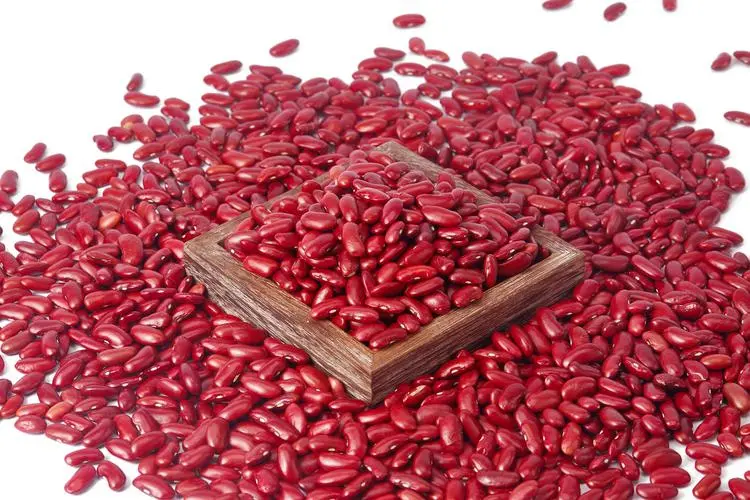
Beyond flavor, the nutritional transformation during the cooking of adzuki beans is notable. They are rich in protein, fiber, and important minerals such as iron, magnesium, and potassium. Cooking helps to break down the complex carbohydrates that can sometimes cause digestive discomfort, hence making them a better choice for those with sensitive digestive systems. Adzuki beans stand out for their versatility in both sweet and savory dishes. In Asian desserts, they are often sweetened and made into a paste called anko, used in confectioneries such as mochi and dorayaki. Alternatively, in savory dishes, they are popular in soups and as a hearty addition to rice dishes, adding both texture and nutritional value. In terms of authority and expertise, incorporating adzuki beans into one's diet aligns with numerous health-forward eating plans, including vegan, vegetarian, and even paleo diets. Their low-fat content, coupled with high nutrient density, positions them as a superfood within these dietary regimens. For those looking to ensure trustworthiness in their cooking practices, sourcing quality adzuki beans is essential. Opt for organic varieties where possible, which are grown without the use of synthetic pesticides or fertilizers. This assurance not only promotes better health through reduced exposure to potentially harmful chemicals but also supports sustainable agricultural practices. The transformative journey of adzuki beans from dry to cooked underscores their esteemed position in culinary traditions and health-conscious diets alike. Mastery of this process exemplifies a commitment to culinary expertise and an embrace of healthful eating practices, backed by both personal experience and a strong foundation in nutritional science.
Next:
Latest news
 German
  English
  Arabic
  Dutch
Dutch  French
  Hungarian
  Italian
  Japanese
  Korean
  Turkish