Jan . 30, 2025 03:47 Back to list
adlay grain
Adlay grain, commonly known as Job's tears, has been gaining traction in the health and wellness market. This ancient grain, primarily cultivated in parts of Asia, is a powerhouse of nutrients and offers several potential health benefits. Whether you're a health-conscious individual or a food industry expert, understanding the unique characteristics of adlay grain can enhance your product offerings and cater to the growing demand for nutritious food.
Farmers and suppliers can also benefit from expanding into adlay grain cultivation. With growing global interest, investing in this crop may offer economic advantages. Sustainable farming practices, paired with educational initiatives highlighting adlay’s benefits, can enhance market penetration and appeal to eco-conscious consumers. When considering adlay grain’s role in your product development, it's crucial to emphasize quality sourcing. Partnering with reputable suppliers who prioritize organic, non-GMO grain ensures the integrity and appeal of your end products. Transparency in sourcing and production processes builds consumer trust, a vital aspect of modern branding strategies. Consumer education is another critical strategy for integrating adlay grain into your offerings. Informative packaging, recipe suggestions, and content marketing that elucidates the benefits of adlay can engage consumers and stimulate interest. Highlight the grain's cultural heritage and health advantages in digital campaigns to attract the informed and discerning modern consumer. In conclusion, adlay grain is not just a passing trend but a staple that brings nutritional value, versatility, and health benefits to the table. By integrating adlay into your product line, you're not only diversifying your offerings but also aligning with a broader movement towards health and sustainability. Authenticity, transparency, and a focus on quality will ensure your adlay grain products stand out in a competitive market, positioning your brand as a pioneer in health and nutrition innovation.
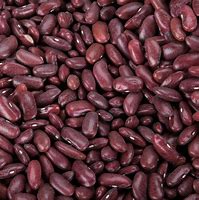

Farmers and suppliers can also benefit from expanding into adlay grain cultivation. With growing global interest, investing in this crop may offer economic advantages. Sustainable farming practices, paired with educational initiatives highlighting adlay’s benefits, can enhance market penetration and appeal to eco-conscious consumers. When considering adlay grain’s role in your product development, it's crucial to emphasize quality sourcing. Partnering with reputable suppliers who prioritize organic, non-GMO grain ensures the integrity and appeal of your end products. Transparency in sourcing and production processes builds consumer trust, a vital aspect of modern branding strategies. Consumer education is another critical strategy for integrating adlay grain into your offerings. Informative packaging, recipe suggestions, and content marketing that elucidates the benefits of adlay can engage consumers and stimulate interest. Highlight the grain's cultural heritage and health advantages in digital campaigns to attract the informed and discerning modern consumer. In conclusion, adlay grain is not just a passing trend but a staple that brings nutritional value, versatility, and health benefits to the table. By integrating adlay into your product line, you're not only diversifying your offerings but also aligning with a broader movement towards health and sustainability. Authenticity, transparency, and a focus on quality will ensure your adlay grain products stand out in a competitive market, positioning your brand as a pioneer in health and nutrition innovation.
Next:
Latest news
 Japanese
  English
  Arabic
  Dutch
Dutch  French
  German
  Hungarian
  Italian
  Korean
  Turkish